Professional Asphalt Contractor for Enduring Driveways and Roads
Picking a solid pavement professional is vital for building strong parking surfaces and pathways. Strategic choice assures strength and quality in surfacing endeavors. Aspects including background, references, and specialized skills substantially determine the final outcome. Learning the complexities of rates and upkeep can substantially boost the evaluation process. When real estate holders review their possibilities, many vital elements require careful examination to achieve a positive undertaking. Which elements should they concentrate on in their exploration?
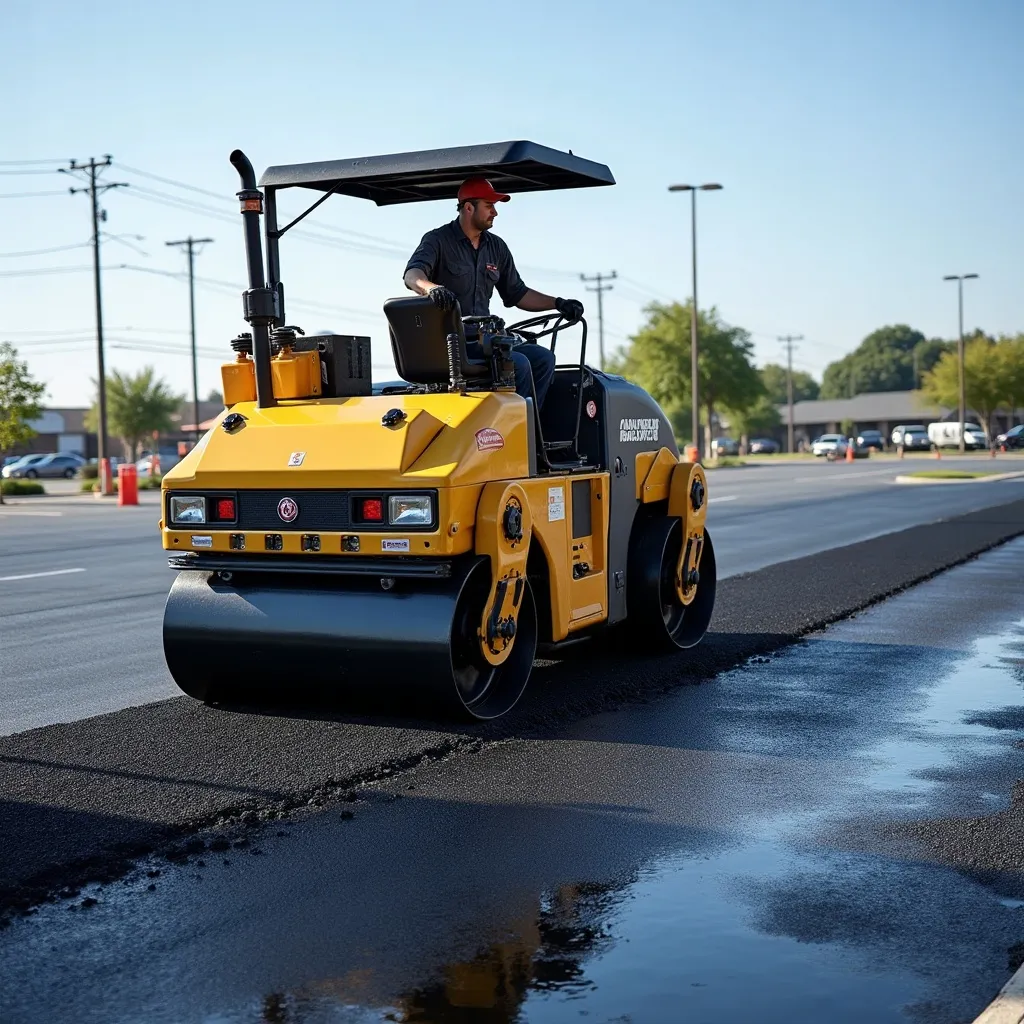
Steps to Hire an Professional Paving Contractor
When appointing an veteran paving contractor, one might think about what key factors to evaluate. First, it is important to validate the contractor's background, including certifications and insurance, to confirm compliance with local regulations and security against financial risks. Next, studying customer testimonials and past project portfolios can furnish knowledge into the contractor's quality of work and reliability.
Furthermore, securing multiple quotes can help in gauging the typical cost for tasks and identifying any red flags, such as particularly low offers. Skill in specific paving projects, including residential driveways or commercial parking lots, is an key consideration, since specialized knowledge often brings better outcomes. Communication skills remain critical; a contractor should be responsive and open to resolving any questions or concerns. Lastly, evaluating guarantees offered can reflect the contractor’s confidence in their work and dedication to customer satisfaction.
Ideal Selections for Your Driveway
When selecting substances for a driveway, homeowners frequently evaluate the advantages and disadvantages of asphalt and concrete. Each option delivers unique characteristics that can influence durability and cost. Additionally, gravel delivers a more economical alternative but comes with its own set of benefits and drawbacks.
Asphalt vs. Concrete Decisions
Which material gives the superior blend of wear resistance and cost for driveway construction: asphalt or concrete? Asphalt is commonly favored for its minimal initial investment and rapid assembly. It generally provides a flat exterior that can bear extreme weather situations, positioning it a practical choice for many homeowners. Still, asphalt requires routine maintenance, including waterproofing and overlay work, to prolong its working life.
Conversely, concrete is known for its longevity and minimal care needs. With correct setup, concrete driveways can persist over 30 years. Moreover, concrete offers a range of aesthetic choices, featuring decorative finishes. While the starting cost is elevated, the reduced maintenance needs can make it a budget-friendly option over time. Ultimately, the choice is based on individual tastes and finances.
Gravel Benefits and Disadvantages
Asphalt and concrete are frequently used for driveways, but gravel also offers a practical alternative with distinct benefits and drawbacks. A chief advantage of gravel is its economic advantage; it usually requires a lower initial investment compared to asphalt and concrete. In addition, gravel promotes excellent drainage, helping to reduce the risk of water pooling. That said, it is not without challenges. Gravel driveways necessitate periodic maintenance, such as replenishing material and raking to keep the surface balanced. Moreover, erosion can pose problems, and gravel may be less secure in high-traffic areas. Ultimately, the decision to opt for gravel should consider both its cost benefits and the homeowner’s readiness to invest in continual upkeep.
Evaluating Customer Reviews: What to Consider
How might prospective customers discern the quality of a paving contractor through customer reviews? Evaluating these reviews requires attention to specific factors. First, clients should look for overall ratings; a high average score often indicates satisfactory service. Next, the number of reviews is important; a larger quantity provides a more reliable picture of the contractor's performance.
Clients should also review the details of individual reviews. Favorable comments about promptness, communication, and work quality is essential. Additionally, recurring themes in negative reviews, such as inadequate support or project delays, can signal potential issues.
In addition, responses from the contractor to reviews show their professionalism and commitment to customer satisfaction. In conclusion, consider reviews from different platforms to develop a well-rounded understanding. By emphasizing these considerations, future clients can reach sound selections about their paving contractor.
Key Topics to Raise When Speaking With Your Paving Contractor
When selecting a paving contractor, posing the right inquiries can substantially impact the final conclusion. It is important to ask about the contractor's experience level and the categories of projects they have undertaken. Grasping their strategy regarding materials and techniques can also deliver perspective on the quality of work to expect.
Prospective clients should inquire regarding insurance and licensing to ensure the contractor meets regulatory standards and is safeguarded from possible risks. Additionally, talking about the project completion timeline and any possible postponements is vital.
Asking about guarantees on both supplies and workmanship can safeguard the investment. Finally, it's advantageous to request for recommendations or examples of previous projects to evaluate the professional's dependability and quality. These questions not only clarify needs but also create a foundation for strong communication throughout the assignment.
Paving Expenses: What to Anticipate
Understanding asphalt expenses is crucial for property owners considering a renovation. Various elements, such as material options and pricing, significantly affect the total cost. Furthermore, assessing long-term value can assist in taking knowledgeable choices about pavement projects.
Considerations Influencing Asphalt Costs
Many factors affect paving costs, making it essential for property owners to comprehend the variables at play. One notable aspect is the size of the area to be paved; larger spaces typically incur higher costs due to increased material and labor requirements. Additionally, site conditions, such as soil quality and drainage, can affect pricing, as extensive preparation may be needed. Local labor rates also play an important role; access now areas with a higher cost of living often have elevated labor expenses. Moreover, the complexity of the project, including intricate designs or existing structures, can lead to added costs. Finally, seasonal factors may influence pricing, as contractors often adjust rates based on demand fluctuations throughout the year.
Material Range and Price
A variety of paving choices substantially influence paving costs, each delivering specific advantages and assorted price ranges. Asphalt, known for its affordability and speedy installation, generally costs from $3 to $5 per square foot. Concrete, although more resilient, may range between $4 and $8 per square foot, contingent on finish and thickness. Pavers, made from brick or stone, deliver aesthetic charm but generally range from $10 to $20 per square foot, plus installation. In addition, permeable paving options, which enable drainage, tend to cost more due to their specialized materials and specialized installation methods. Homeowners must consider these options carefully, balancing initial costs with desired longevity and functionality for their driveways and roads.
The Impact of Warranties and Maintenance Support
When selecting a reliable paving professional, the necessity of warranties and follow-up support cannot be overlooked. Warranties act as a shield for clients, guaranteeing that any issues in materials or workmanship are fixed at no extra charge. A reputable contractor typically offers an extensive warranty that demonstrates their confidence in the standard of their work.
In addition to warranties, aftercare support play an crucial role in maintaining the longevity of paved surfaces. Regular maintenance, such as sealing and crack repairs, can avoid more extensive damage and expensive fixes down the line. A contractor that provides ongoing support shows a dedication toward client contentment and the durability of their work.
Therefore, coverage and follow-up assistance not only maximize the benefit of the initial investment but also furnish confidence for residents and corporate entities alike. A solid contractor values these points, cementing credibility and persistent bonds with stakeholders.
Frequently Requested Questions
How long Does the Paving Process Typically Take?
Asphalt installation usually takes one to three days, contingent on the undertaking's scope and complexity. Components including environmental conditions, site setup, and supply selection can further impact the total timeline considerably.
What Weather Conditions Affect Paving Work?
Weather conditions greatly influence paving work. Rain, snow, and extreme temperatures can hinder projects, while humidity levels influence the curing process. Ideal conditions, typically dry and mild, guarantee better adhesion and durability of the pavement.
How Do I Care for My Brand New Driveway?
A new driveway needs regular cleaning, sealing every few years, and repairing cracks quickly to stay in good condition. Avoiding heavy loads and using appropriate snow removal techniques are important for prolonging its lifespan and maintaining its look.
Can you find eco-friendly pavement alternatives these days?
Indeed, multiple environmentally responsible paving alternatives exist, including porous pavers, reclaimed asphalt, and alternative concretes crafted from renewable materials. These options help decrease environmental burden while furnishing useful and long-lasting coatings for paths and driveways.
Do I Need a Permit for Pavement Projects?
Often permits are required for paving projects, following local regulations. Homeowners should consult their municipal planning department to figure out specific requirements, maintaining compliance and circumventing potential costs or construction interruptions during project execution.